Cooling Systems Sized for Louisiana Commercial Buildings
Commercial HVAC Services in Houma for businesses along Bayou Terrebonne facing high latent humidity loads that overwork undersized systems and cause premature failures
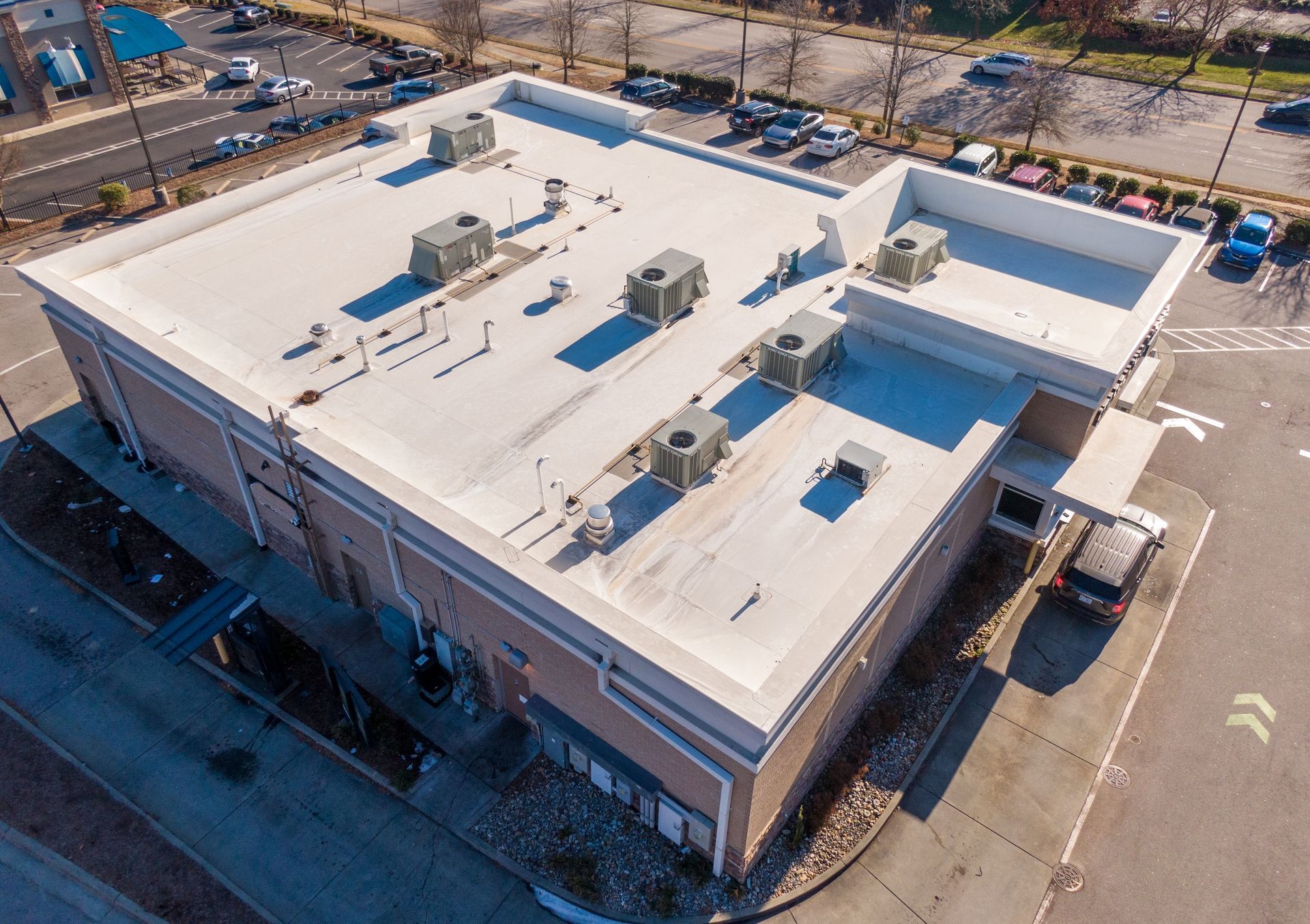
Commercial buildings along Bayou Terrebonne face high latent humidity loads that overwork undersized systems—a common failure point when contractors estimate tonnage based solely on square footage without accounting for occupancy density, ventilation requirements, or the moisture load from outdoor air infiltration. Charger Electrical and Air Conditioning installs, repairs, and maintains commercial AC systems for businesses throughout Downtown Houma and Bayou Cane, with latent heat load analysis to prevent undersizing that leaves indoor humidity above comfort thresholds even when air temperature reaches setpoint. The analysis includes measuring how much outdoor air your building code requires and calculating the energy needed to dehumidify that ventilation air before it mixes with return air.
Installation begins with verifying that your electrical service can supply the starting amperage for commercial compressors and that your roof structure can support rooftop unit weight and vibration. The service also addresses duct sizing—undersized supply ducts create high static pressure that reduces airflow and forces the blower motor to work harder, increasing operating costs and shortening equipment life.
Arrange an on-site consultation to review your building's cooling load requirements and ventilation code obligations.
Why Latent Heat Load Analysis Works for Bayou Region Businesses
Commercial HVAC sizing in Louisiana requires calculating both sensible heat (temperature) and latent heat (humidity) separately, then selecting equipment that handles both loads without short-cycling. The process involves measuring building envelope tightness, estimating occupancy loads, and accounting for heat gain from lighting, equipment, and solar exposure through windows and roofing.
Once the system is operational, your building maintains consistent temperature and humidity throughout occupied hours, energy costs drop when equipment isn't oversized and cycling inefficiently, and tenants or customers stop complaining about muggy conditions even when the thermostat reads correctly. Properly sized commercial systems also last longer because compressors aren't starting and stopping constantly—frequent cycling is the primary cause of premature failure in commercial HVAC equipment.
Maintenance includes cleaning condenser coils to remove salt and debris buildup, inspecting refrigerant charge and adjusting if needed, checking electrical connections for corrosion, and replacing filters on a schedule that matches your building's air quality requirements. The service doesn't cover building automation programming, energy management system integration, or chiller plant maintenance—those require specialized controls contractors.
Answers to Frequent Service Questions
Commercial property managers and business owners want to understand how HVAC sizing affects operating costs and what happens when systems fail during business hours.
What is latent heat load and why does it matter?
Latent heat is the energy required to remove moisture from air, which in Louisiana can equal or exceed the sensible cooling load—ignoring latent heat results in systems that cool the air but leave humidity high enough to cause discomfort and mold growth.
How do you prevent undersizing mistakes in commercial HVAC?
Load analysis uses Manual J or equivalent calculations that account for building orientation, insulation values, window area, occupancy density, ventilation rates, and internal heat gains—data that square-footage estimates ignore entirely.
When does a commercial building need dedicated ventilation equipment?
Buildings with high occupancy density, such as restaurants or retail spaces, often require dedicated outdoor air units that precondition ventilation air separately from return air, reducing the load on primary cooling equipment and improving humidity control.
What does commercial HVAC maintenance include in Houma?
Maintenance covers coil cleaning to remove salt corrosion, refrigerant charge verification, electrical connection inspection, belt and bearing lubrication, and filter replacement—work that extends equipment life in coastal environments where saltwater air accelerates wear.
Why does duct sizing affect system performance?
Undersized ducts restrict airflow, which increases static pressure, reduces cooling capacity, and forces the blower to consume more energy—proper duct sizing ensures your equipment delivers its rated tonnage without fighting resistance in the distribution system.
Charger Electrical and Air Conditioning provides technically trained commercial
HVAC service that accounts for bayou-region climate conditions, preventing costly undersizing mistakes that generic contractors miss. Request a load analysis to determine whether your current system matches your building's actual cooling and dehumidification demands.