Power That Stays On When the Grid Fails
Home Standby Generators in Houma for hurricane season power outages in Terrebonne Parish when the grid goes down and restoration takes days or weeks
Hurricane season power outages in Terrebonne Parish make standby generators essential, not optional, for homeowners—particularly in Montegut and Chauvin where storm exposure increases the likelihood of extended outages after tropical systems pass through the Gulf. Charger Electrical and Air Conditioning installs residential standby generator systems with proper transfer switch sizing and code-compliant hookup that prevents dangerous backfeed hazards during storm restoration. The installation involves calculating which circuits you need backed up, sizing the generator to handle that load, and installing a transfer switch that isolates your home from the utility grid when the generator starts.
Transfer switch sizing determines which circuits receive backup power—whole-house generators back up everything including central air conditioning, while smaller units power only critical circuits like refrigeration, lighting, and well pumps. The decision affects upfront cost and fuel consumption, since larger generators burn more propane or natural gas per hour of runtime.
Schedule a consultation to assess your home's backup power needs and discuss circuit prioritization options.
What Proper Generator Installation Requires
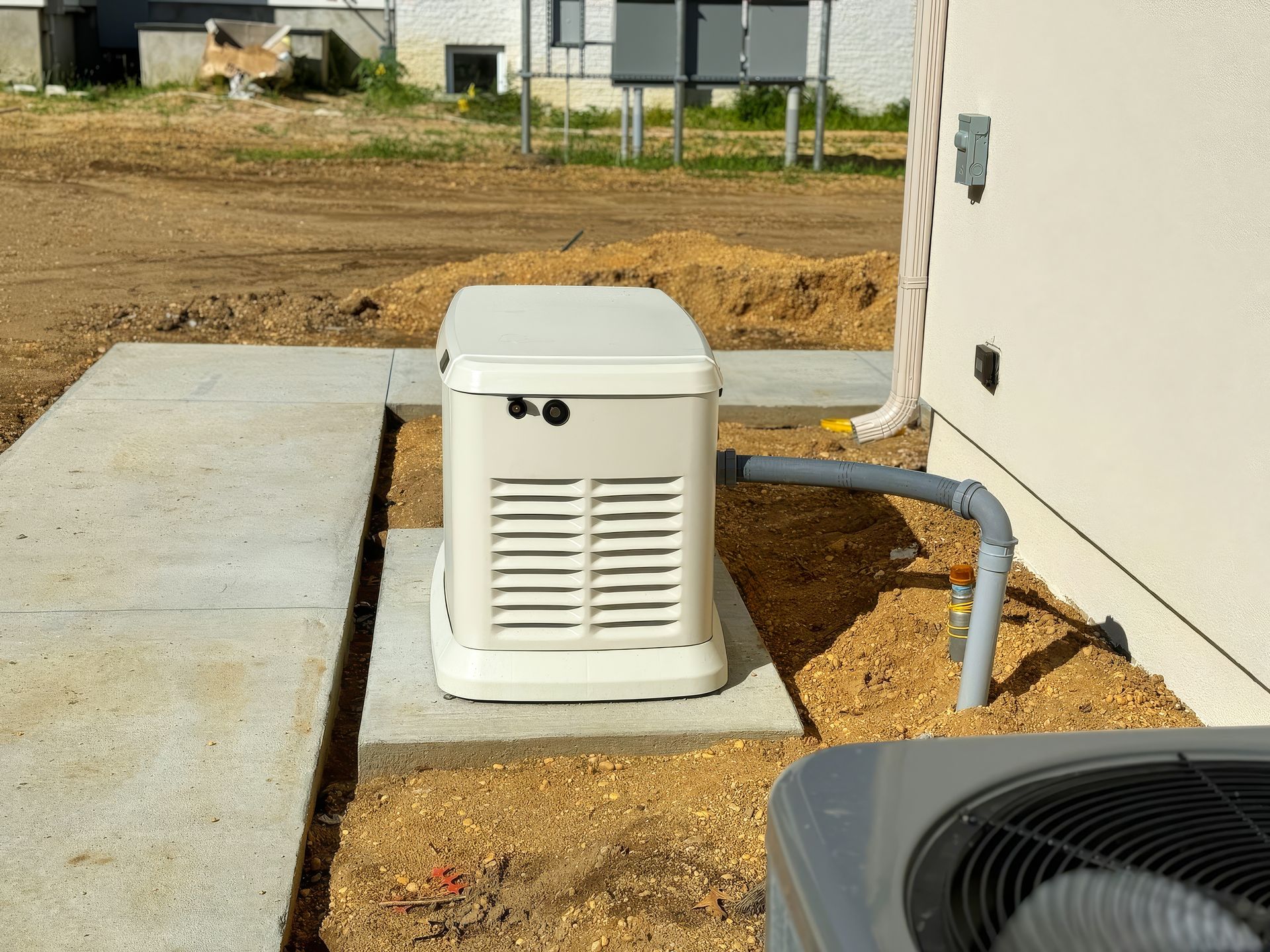
Code-compliant generator installation means mounting the unit on a concrete pad that prevents settling, running a dedicated fuel line from your propane tank or gas meter, and wiring the transfer switch so it cannot connect utility and generator power simultaneously—a backfeed condition that endangers utility workers restoring lines after storms. The work also includes setting the automatic transfer switch to start the generator when utility voltage drops below threshold and return to grid power once service is restored.
After installation finishes, your generator starts automatically within seconds of losing grid power, your selected circuits stay energized without manual intervention, and your transfer switch prevents backfeeding that could kill a lineman working on downed wires miles away. Because Charger Electrical and Air Conditioning handles the full generator install—panel work, transfer switch wiring, and final hookup—you're working with a single electrical contractor rather than coordinating between a generator dealer and a separate electrician.
The installation includes everything from generator placement and fuel connection to transfer switch wiring and startup commissioning, though it doesn't cover ongoing propane delivery service or generator maintenance contracts—those require separate arrangements with fuel suppliers and service providers. Permit management and inspection coordination are handled as part of the installation to verify the work meets Louisiana electrical code and manufacturer requirements.
What Property Owners Usually Ask
Homeowners considering standby generators want to know how the equipment works, what size they need, and what installation involves before hurricane season begins.
What is a transfer switch and why does it matter?
The transfer switch is an electrical device that disconnects your home from utility power before connecting generator power, preventing backfeed that could electrocute utility workers and ensuring your circuits receive power from only one source at a time.
How do you size a generator for a home in Houma?
Sizing involves adding up the wattage of circuits you want backed up, accounting for starting surge when motors and compressors kick on, and selecting a generator with enough capacity to handle peak load without overloading—whole-house backup typically requires units in the 20-24 kilowatt range depending on square footage and equipment.
When does a generator require natural gas versus propane fuel?
Natural gas is preferred when your home already has utility gas service because you never run out during extended outages, while propane requires a storage tank sized to supply several days of runtime—most installations in Terrebonne Parish use propane because natural gas service isn't available in all areas.
What does code-compliant installation prevent?
Code compliance prevents backfeeding utility lines, ensures proper grounding to avoid shock hazards, verifies fuel connections don't leak, and confirms the generator shuts down safely when fault conditions occur—all critical for safe operation during storm recovery when emergency services are overwhelmed.
Why does permit and inspection matter for generator installation?
Permits verify the work meets National Electrical Code and local amendments, protects your homeowner's insurance coverage if storm damage occurs, and provides documentation that the installation was inspected and approved—required for safe operation and future property sales.
Charger Electrical and Air Conditioning handles standby generator installation with proper transfer switch sizing and code-compliant wiring, providing storm-ready backup power for Terrebonne Parish homeowners who need the lights on when the grid goes down. Request an estimate that details generator sizing, fuel requirements, and circuit selection based on your home's layout and backup priorities.